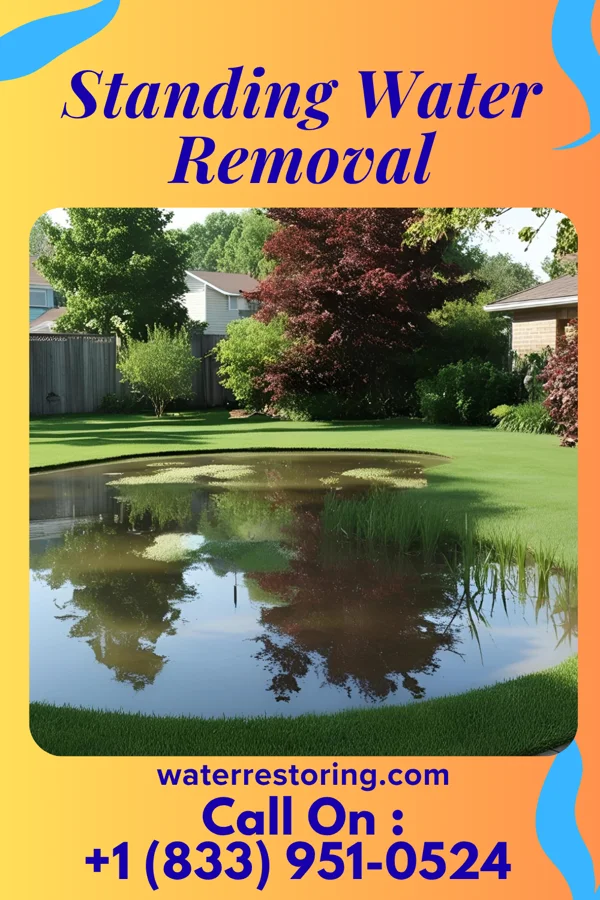
Common Standing Water Causes in Philadelphia
In Philadelphia, Pennsylvania, primary water damage often stems from burst pipes, leaking roofs, and malfunctioning appliances in densely populated urban areas. The city's aging infrastructure and high population density contribute to frequent plumbing issues, especially in older buildings and apartment complexes. accounts for the majority of standing water removal calls in Philadelphia. A close second is Secondary causes include flooding from nearby rivers like the Delaware and Schuylkill, as well as stormwater runoff from heavy rainfall common in the region. Additionally, water damage can occur due to sewer backups and improper drainage in low-lying neighborhoods.. Knowing what to expect helps you make informed decisions about restoration.
Philadelphia experiences a humid continental climate with frequent heavy rainfall, especially during the spring and summer months, increasing the risk of water intrusion. The city's proximity to the Atlantic Ocean also brings in moisture that can lead to prolonged damp conditions.
In Philadelphia, In Philadelphia, Pennsylvania, primary water damage often stems from burst pipes, leaking roofs, and malfunctioning appliances in densely populated urban areas. The city's aging infrastructure and high population density contribute to frequent plumbing issues, especially in older buildings and apartment complexes. drives the majority of standing water removal calls. A close second is Secondary causes include flooding from nearby rivers like the Delaware and Schuylkill, as well as stormwater runoff from heavy rainfall common in the region. Additionally, water damage can occur due to sewer backups and improper drainage in low-lying neighborhoods.. Mold risk in this climate: Mold growth in Philadelphia can develop rapidly due to the city's high humidity and frequent temperature fluctuations. Prompt water damage restoration is critical to prevent mold from spreading in homes and commercial properties.