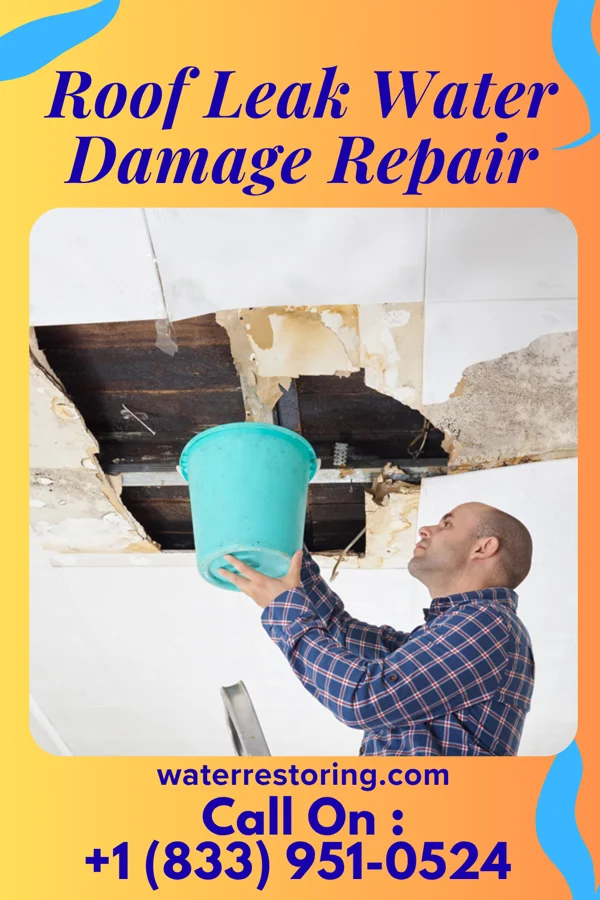
Why Roof Leak Damage Spreads in Philadelphia
In Philadelphia, the leading cause of water damage emergencies is Philadelphia experiences frequent summer thunderstorms and heavy rainfall, which can lead to sudden roof leaks. The city's humid climate also contributes to prolonged moisture exposure, increasing the risk of water damage.. A close second is In winter, freezing temperatures and snow melt can cause ice dams on roofs, leading to water infiltration and structural damage. Springtime showers often result in saturated roofing materials, making leaks more likely.. The clock starts the moment water touches your property.
The combination of high humidity, frequent precipitation, and temperature fluctuations in Philadelphia creates an environment where roof leaks and water damage can occur rapidly. This climate also accelerates mold growth and wood rot in affected areas.
In Philadelphia, Philadelphia experiences frequent summer thunderstorms and heavy rainfall, which can lead to sudden roof leaks. The city's humid climate also contributes to prolonged moisture exposure, increasing the risk of water damage. drives the majority of roof leak water damage repair calls. A close second is In winter, freezing temperatures and snow melt can cause ice dams on roofs, leading to water infiltration and structural damage. Springtime showers often result in saturated roofing materials, making leaks more likely.. Mold risk in this climate: Mold can begin to grow within 48 hours of water exposure in Philadelphia's humid climate. This can lead to secondary damage such as wood rot, structural weakening, and health risks for occupants.